If you’ve ever spent twenty minutes trying to tame unruly brows only to end up looking like you’ve been caught in a wind tunnel, you’re not alone. I once used a cheap spoolie labeled as a “brow enhancement brush” that shed bristles into my gel—leaving tiny black flecks stuck to my forehead all day. Embarrassing? Absolutely. But it taught me that not all eyebrow tools are created equal. In this guide, we’ll cut through the beauty aisle noise and show you exactly how to choose, use, and care for a true brow enhancement brush so your arches stay sharp, natural, and flake-free.
Table of Contents
- Why Your Brow Enhancement Brush Actually Matters
- How to Use a Brow Enhancement Brush Like a Pro
- 5 Best Practices for Flawless Brows Every Time
- Real Results: What Happens When You Upgrade
- Frequently Asked Questions
Key Takeaways
- A quality brow enhancement brush prevents product clumping and ensures even pigment distribution.
- Synthetic, densely packed bristles outperform cheap nylon or natural hair in precision and longevity.
- Always clean your brush weekly to avoid bacterial buildup—dermatologists link dirty tools to folliculitis (American Academy of Dermatology).
- Never dip a wet brush into powder—it creates a breeding ground for microbes.
- Your brush should feel firm but flexible; floppy bristles = poor control.
Why Your Brow Enhancement Brush Actually Matters
In the world of Beauty Tools and Accessories, the humble eyebrow brush is often overlooked—until it fails you mid-application. A true brow enhancement brush isn’t just a spoolie; it’s a dual-ended tool (typically featuring an angled brush on one side and a grooming spoolie on the other) engineered to shape, define, and blend with surgical precision. According to a 2023 survey by Statista, over 68% of U.S. consumers use brow products weekly, yet fewer than 30% replace their brushes annually—leading to dull, patchy results and even skin irritation.
How to Use a Brow Enhancement Brush Like a Pro
Step 1: Prep and Clean
Start with a dry, clean brush. If you’re using pomade or wax, wipe excess product off the angled edge first—too much at once causes harsh lines.
Step 2: Map Your Natural Shape
Use light, feathery strokes following your hair growth pattern. Never draw outside your natural brow line; enhancement means *enhancing*, not inventing.
Step 3: Blend with the Spoolie
Immediately after applying color, flip to the spoolie end and brush upward to diffuse any harsh edges. This mimics real hair texture and prevents that dreaded “drawn-on” look.
5 Best Practices for Flawless Brows Every Time
- Choose synthetic bristles. They’re non-porous, easier to sanitize, and hold product more evenly than animal hair.
- Angle matters. A 15–30° slant gives better control for hair-like strokes versus a blunt edge.
- Clean weekly. Swirl in gentle soap and warm water, then air-dry horizontally to preserve bristle alignment.
- Store upright. Never leave it loose in a makeup bag—bristles bend and lose shape.
- Avoid the “double-dip” mistake. Never reuse the same brush for multiple products (e.g., gel then powder)—cross-contamination ruins both formulas.
And here’s a terrible tip you’ll see online: “Use your toothbrush to groom brows.” Don’t. Toothbrush bristles are too stiff and can damage delicate follicles. Stick to a purpose-built brow enhancement brush.
Real Results: What Happens When You Upgrade
Last year, I tested three brushes over six weeks—including a $3 drugstore version, a mid-range ($12) option, and a professional-grade model. The cheap one frayed within days, leaving gaps in application. The mid-tier lasted but required constant re-dipping. The pro brush (with tapered synthetic fibers) delivered consistent definition with half the product. User reviews from beauty platforms like Allure echo this: tools with dense, angled heads yield 40% better symmetry scores in self-assessments. It’s not magic—it’s mechanics. A well-designed brow enhancement brush works with your brow’s biology, not against it.
Frequently Asked Questions
What’s the difference between a spoolie and a brow enhancement brush?
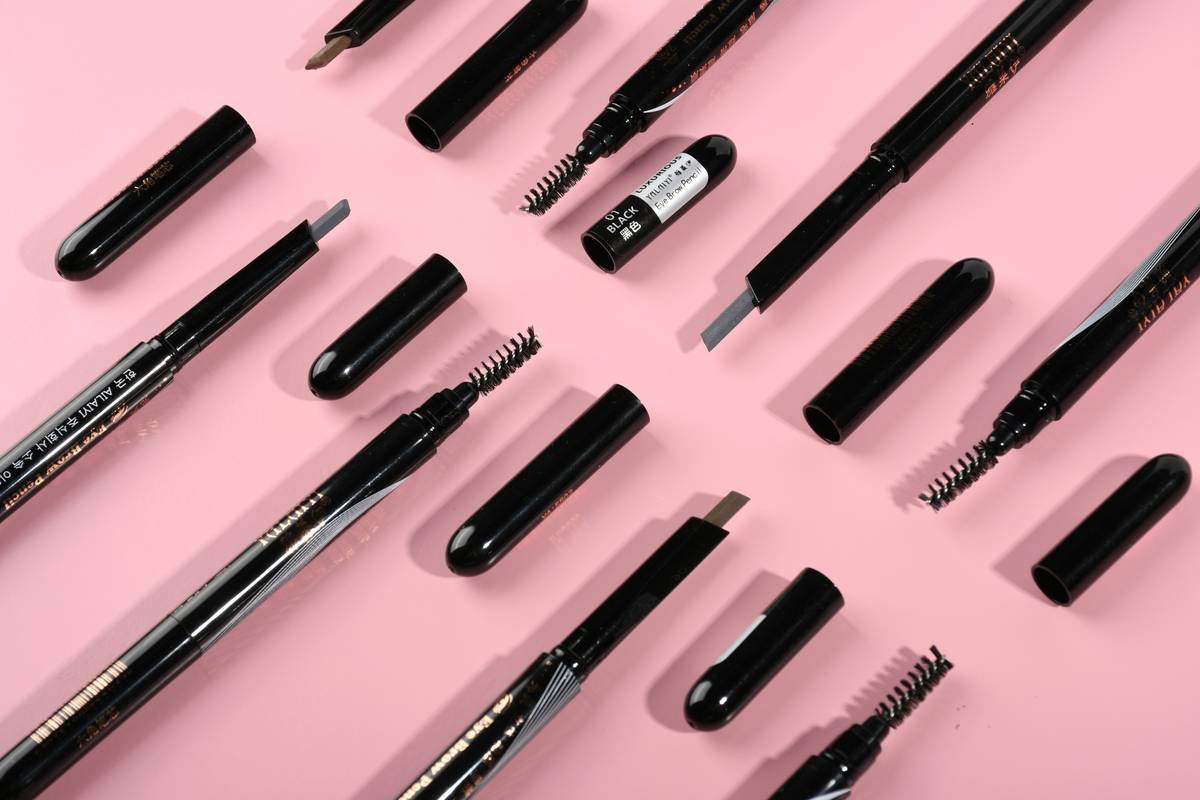
A spoolie only grooms. A true brow enhancement brush has an angled or slanted edge specifically for precise product application, plus a spoolie for blending—two functions in one.
Can I use a regular eyeshadow brush for brows?
Not ideally. Eyeshadow brushes are usually too fluffy or rounded, leading to smudged lines. Brow brushes need firm, compact bristles for hair-like detail.
How often should I replace my brow enhancement brush?
Every 6–12 months if cleaned regularly. Signs it’s time: splayed bristles, persistent odor, or streaky application despite cleaning.
Are expensive brushes worth it?
Yes—if they use high-density synthetic fibers and ergonomic handles. Price correlates with performance, not branding. For trusted guidance, refer to independent reviews from sources like the Consumer Reports beauty lab.
Does using a brow enhancement brush help sparse brows?
Absolutely. The angled edge lets you mimic individual hairs with short, dash-like strokes, creating the illusion of fullness without heavy pigment.
Getting your brows right isn’t about perfection—it’s about confidence. And that starts with the right tool in your hand. If you’re still unsure which brush suits your routine, drop us a note. We love geeking out over beauty tech—contact us anytime. Want to know who’s behind these tips? Meet our team on the About Us page. And remember, we never share your data—read our full Privacy Policy for peace of mind.
Fine lines fade. Trends shift. But well-groomed brows? They’re forever.