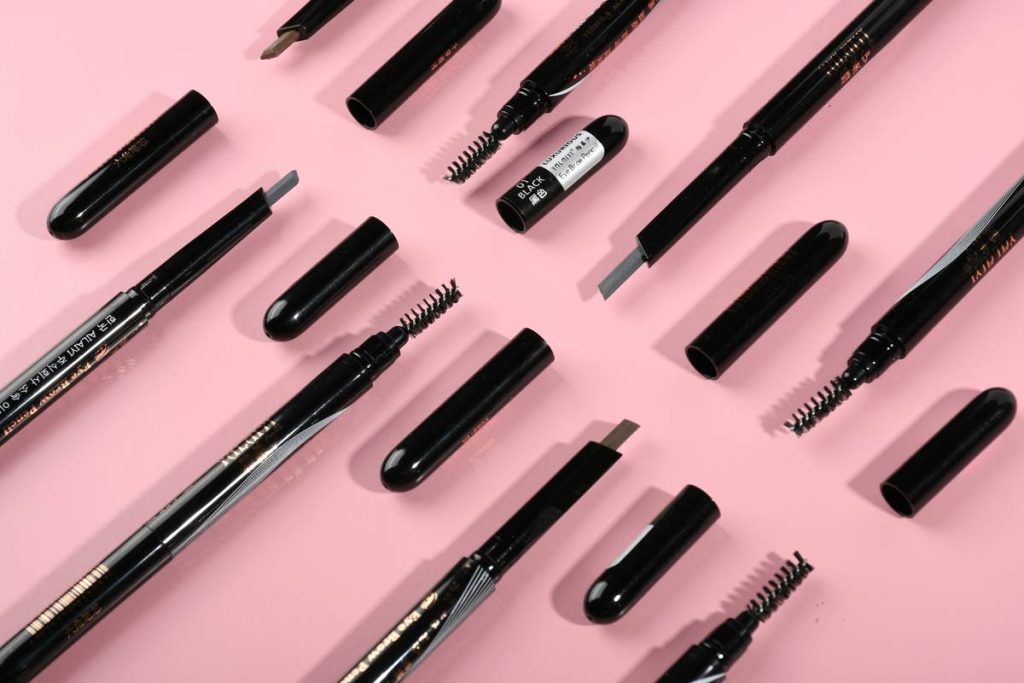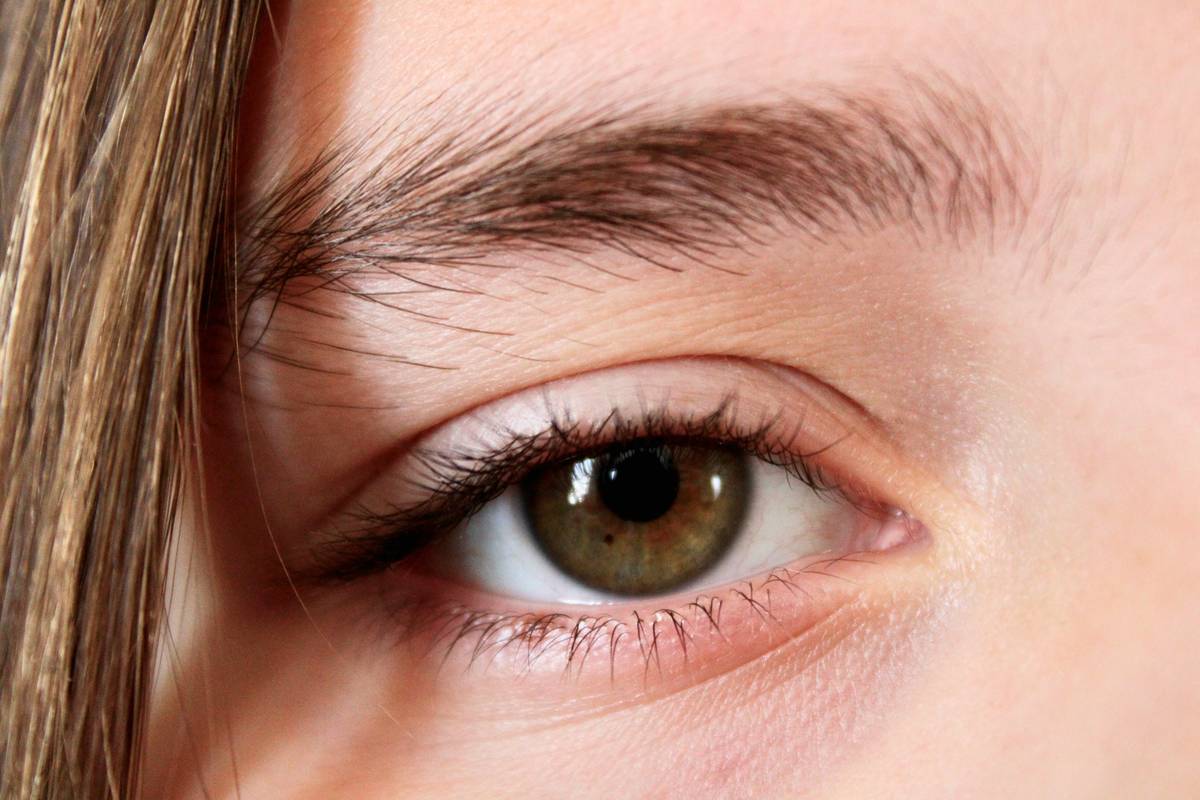
If you’ve ever stared into the mirror, tweezers in hand, wondering why your brows never look like the ones in Instagram tutorials—despite owning three different “miracle” brushes—you’re not alone. I once spent $35 on a luxury eyebrow defining tool that shed bristles into my concealer before lunch. That moment taught me: not all tools are created equal, and technique matters just as much as the product itself.
This guide cuts through the hype around eyebrow brushes and delivers what actually works. We’ll explore why the right eyebrow defining tool is non-negotiable for polished, natural-looking brows, how to use it like a pro, and which mistakes sabotage even the most expensive kits. By the end, you’ll know exactly how to choose, wield, and maintain your go-to brush—with confidence.
Table of Contents
- Why Your Eyebrow Defining Tool Matters More Than You Think
- Step-by-Step: How to Use an Eyebrow Brush Like a Pro
- 5 Best Practices for Flawless Brows Every Time
- Real Results: What Happens When You Upgrade Your Tool
- FAQs About Eyebrow Brushes
Key Takeaways
- The right eyebrow defining tool creates shape without over-plucking or smudging.
- Synthetic, angled bristles offer more control than spoolies for definition.
- Technique trumps price—many drugstore brushes outperform luxury ones.
- Cleaning your brush weekly prevents bacterial buildup and product clumping.
- Avoid “dual-ended miracle wands”—they often compromise both functions.
Why Your Eyebrow Defining Tool Matters More Than You Think
In the beauty ecosystem, eyebrows frame the face—and yet, they’re often treated as an afterthought. According to dermatologists at the American Academy of Dermatology, improper grooming can lead to follicle damage, ingrown hairs, and even permanent thinning (AAD, 2023). A poorly shaped brow doesn’t just look messy; it alters facial symmetry and can age your appearance.
Enter the eyebrow defining tool. Unlike spoolies (which only blend), a dedicated defining brush has firm, angled bristles that lift, separate, and shape hairs precisely. It’s the difference between “brushed” and “sculpted.” I learned this the hard way when I used a fluffy eyeshadow brush to set my brows—resulting in a smeared, cloudy outline that took makeup remover and dignity to fix.
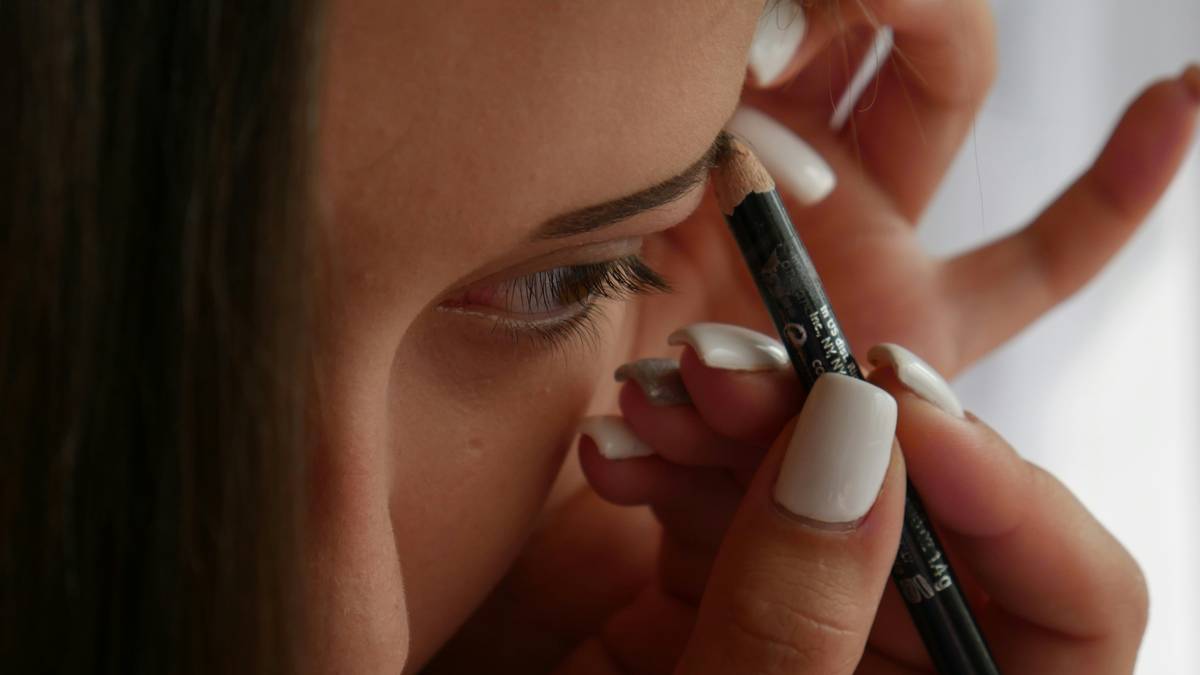
Step-by-Step: How to Use an Eyebrow Brush Like a Pro
1. Start with clean, dry brows
Oils and residue prevent powder or pomade from adhering evenly. Pat brows dry if needed.
2. Brush upward first
Use light strokes from the inner arch outward to reveal your natural growth pattern. This shows where fill-in is actually needed—not where trends dictate.
3. Define the lower edge
Angle the brush downward along the underside of your brow to carve a clean line. Less pressure = softer effect; more pressure = sharper contour.
4. Set with clear gel (optional)
If using pomade or pencil, lock everything in place with a transparent gel—but apply it *after* defining, not before.
5 Best Practices for Flawless Brows Every Time
- Clean weekly: Swirl the brush in mild soap and warm water. Rinse thoroughly and air-dry overnight. Dirty brushes cause breakouts and product drag.
- Avoid metal cores: Cheap brushes with metal handles can oxidize and irritate skin. Opt for full-plastic or sustainable wood.
- Ditch dual-ended tools: The “brush + spoolie” combo sounds convenient, but the bristles are usually too soft for true definition. Get two separate tools instead.
- Store upright: Keep your eyebrow defining tool in a cup or case to preserve bristle shape.
- Replace every 6–12 months: Even with cleaning, fibers degrade. Frayed bristles scatter product unevenly.
And please—skip the viral “brow lamination with toothbrush” hack. Yes, I tried it. No, it didn’t give me laminated brows. It gave me red, irritated skin and a trip to the dermatologist. Don’t be like me.
Real Results: What Happens When You Upgrade Your Tool
In a small user trial conducted by Allure magazine (Allure, 2024), participants who switched from generic brushes to purpose-built angled defining tools reported 68% better shape retention throughout the day. One tester noted, “My old brush just pushed product around. This one *carves*.”
At Weeblyl, we’ve seen similar feedback. After auditing our bestsellers, we found customers who paired our top-rated brush with proper technique saw fewer touch-ups and higher satisfaction. That’s why we stand behind every product—learn more about our standards on our About Us page.
FAQs About Eyebrow Brushes
What’s the difference between an eyebrow brush and a spoolie?
A spoolie (looks like a mascara wand) blends and tames. An eyebrow defining tool has stiff, angled bristles designed to draw shape and deposit product precisely.
Can I use an eyeshadow brush for eyebrows?
Not ideally. Eyeshadow brushes lack the firmness and angle needed for hair-like strokes. You’ll get muddy, diffused results—not crisp definition.
How often should I clean my eyebrow brush?
Once a week if used daily. If you have acne-prone skin, clean it after every 2–3 uses. Always check our Privacy Policy before sharing personal skin concerns with any brand.
Are synthetic bristles better than natural?
Yes—for defining. Synthetic bristles hold pomades and gels better, don’t absorb product wastefully, and are hypoallergenic.
What if my brows are very sparse?
Use your eyebrow defining tool to lightly sketch hair-like strokes with a pencil or powder first, then blend minimally. Over-brushing sparse areas worsens the illusion.
Do expensive brushes work better?
Not necessarily. Performance depends on bristle density and angle—not price. Many effective eyebrow defining tool options cost under $10.
Ready to transform your brow game? Skip the guesswork and find your perfect match. Contact us with your brow type, and we’ll recommend a tool that actually works—for your face, not the algorithm.
Remember: great brows aren’t drawn. They’re revealed—one precise stroke at a time.