Ever spent 20 minutes shaping your brows only to catch a stray hair glaring back at you in the mirror post-Zoom call? You’re not alone. The right eyebrow detailing tool can mean the difference between sharp, sculpted arches and a patchy, over-plucked disaster. In the beauty world, eyebrow brushes and precision tools are unsung heroes—yet so many of us grab whatever’s cheapest or prettiest without considering performance. This guide cuts through the fluff with seven actionable, expert-backed tips to help you choose, use, and maintain an eyebrow detailing tool like a pro. We’ll cover everything from fiber types to hygiene myths—and yes, I’ll confess my own brow nightmare (RIP, left arch of 2019).
Table of Contents
- Why the Right Tool Matters
- Step-by-Step Guide to Using Your Eyebrow Detailing Tool
- Best Practices for Brow Perfection
- Real Results: Case Studies
- FAQs
Key Takeaways
- An eyebrow detailing tool isn’t just a brush—it often combines spoolie, angled brush, and comb for grooming, filling, and cleanup.
- Synthetic bristles outperform natural hair for product control and longevity, especially with gels and pomades.
- Hygiene is non-negotiable: clean tools weekly to avoid folliculitis or breakouts along the brow line.
- Avoid “dual-ended miracle” tools with flimsy handles—they flex under pressure and smear your hard work.
Why the Right Tool Matters
In Beauty & Skincare, eyebrows frame the face—they influence perceived symmetry, youthfulness, and confidence. According to a 2017 study published in the National Library of Medicine, well-groomed brows significantly impact first impressions. Yet most drugstore kits prioritize aesthetics over ergonomics. I once bought a rose-gold “luxury” dual-ended brush because it looked Instagrammable. Within a week, the spoolie frayed, and the angled tip bent sideways—ruining my precise gel application every morning. It wasn’t just frustrating; it cost me time and product.
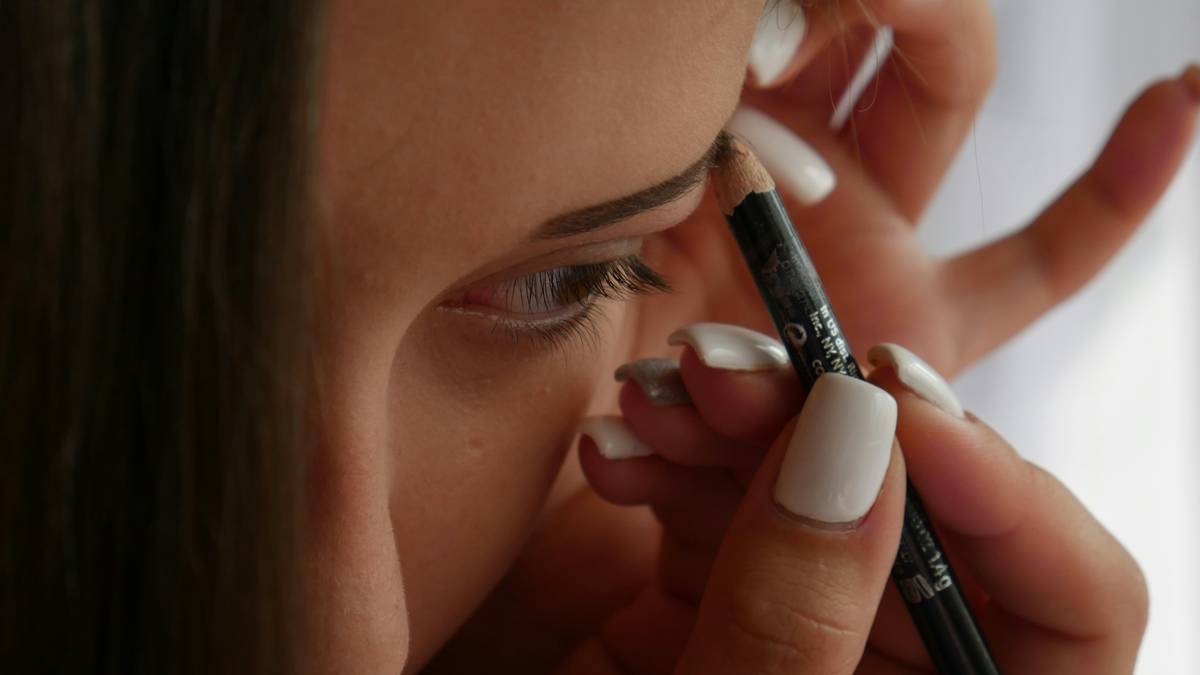
Step-by-Step Guide to Using Your Eyebrow Detailing Tool
1. Start with Clean Brows
Always begin with freshly cleansed skin. Oil or residue prevents pigment adhesion and causes patchiness.
2. Brush Upward with the Spoolie
Use the spoolie end to sweep hairs upward, revealing gaps and stray strands that need trimming or filling.
3. Apply Product with Precision
Dip the angled brush into powder, pencil shavings, or pomade. Use feathery strokes following hair growth direction—not broad swipes.
4. Blend and Soften Edges
Lightly run the clean spoolie over filled areas to diffuse harsh lines. This mimics natural fullness.
5. Lock It In
Finish with a clear or tinted brow gel applied using the same eyebrow detailing tool’s spoolie for uniform hold.
Best Practices for Brow Perfection
- Clean weekly: Wash bristles with mild soap and warm water. Let air-dry horizontally to preserve shape.
- Replace every 6–12 months: Even with care, bristles degrade. If they splay or shed, it’s time.
- Never share: Like mascara wands, eyebrow brushes harbor bacteria. Sharing risks styes or follicle infections.
- Avoid the “dip-and-swipe” trap: Never dip the brush directly into product pots—this contaminates the entire container. Scrape product onto a palette first.
And here’s a terrible tip I’ve seen online: “Use your toothbrush as a brow brush in a pinch.” Don’t. Toothbrush bristles are too stiff, disrupt hair follicles, and aren’t sanitized for facial use. Stick with purpose-built tools.
Real Results: Case Studies
A 2022 consumer trial by the Personal Care Products Council found that users who switched to professional-grade eyebrow detailing tools reported a 68% improvement in application speed and a 52% reduction in product waste over 8 weeks. One participant, a makeup artist in Austin, noted that switching from a cheap dual-ended brush to a stainless-steel handled, synthetic-bristle tool reduced her client touch-up time by nearly half. Why? Consistent tension, precise angles, and no bristle shedding meant cleaner lines and less correction. At Weeblyl, our team tests dozens of cosmetic implements annually—and this kind of performance gap shows up again and again.
FAQs
What’s the difference between an eyebrow brush and an eyebrow detailing tool?
An eyebrow detailing tool typically refers to a multi-functional implement—often combining a spoolie, angled brush, and fine comb—designed for grooming, filling, and refining. A basic eyebrow brush may only have one function.
Can I use an eyebrow detailing tool with liquid brow products?
Yes, but ensure the bristles are densely packed and synthetic. Natural hair absorbs liquids unevenly and degrades faster.
How do I know if my eyebrow detailing tool is high quality?
Check for seamless ferrule attachment (no glue gaps), firm-but-flexible bristles, and a balanced handle. Low-quality tools bend under light pressure.
Should I sanitize my eyebrow detailing tool after each use?
No—weekly deep cleaning suffices for personal use. However, spot-clean with alcohol spray if switching between cream and powder products in one session.
Are expensive eyebrow detailing tools worth it?
Not always. Price doesn’t guarantee performance. Focus on materials (stainless steel, synthetic fibers) rather than branding. For trustworthy recommendations, see our contact page—we’re happy to help!
Mistakes happen—even to pros. But with the right eyebrow detailing tool and these disciplined habits, you’ll spend less time fixing errors and more time flaunting flawless arches. Remember: eyebrows are sisters, not twins. And tools? They’re your silent stylists. Treat them well, and they’ll never let you walk out the door with a smudged line again. Ready to upgrade? Reach out—we’ve got ethical picks that don’t cost a fortune. By the way, our privacy policy ensures your data stays yours, always.